British Council TNE Grant Call Closes August 25

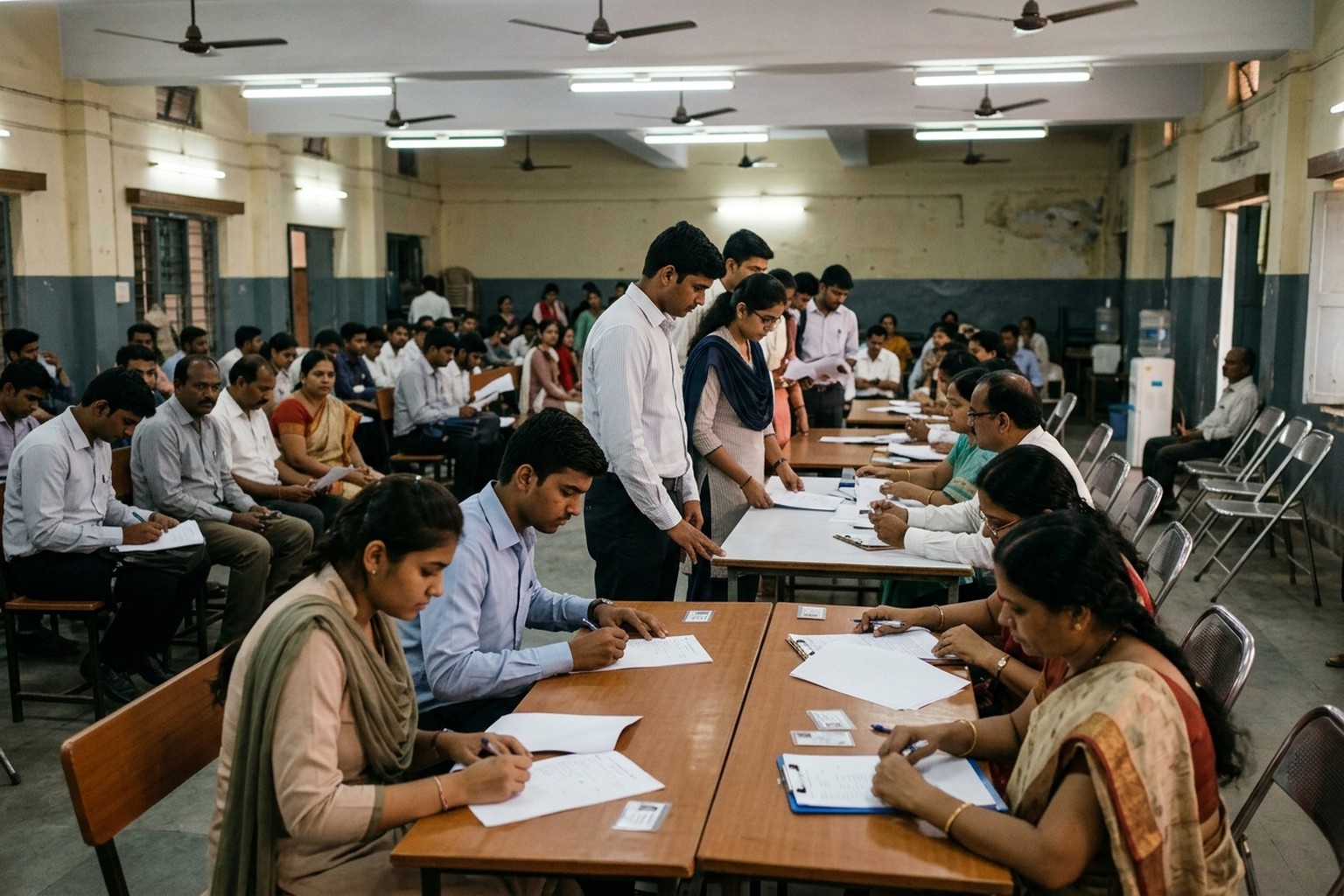
Indian higher-education institutions have just over a week to join applications for the British Council’s 2026-27 transnational education grant, which closes on August 25. The call supports partnerships that develop and launch courses or degree programmes in emerging disciplines, rather than stand-alone research projects or short training events.
An eligible consortium must include three parties: a lead applicant at a UK higher-education institution, a co-applicant at an eligible Indian institution and an industry partner from either country. All three must define their roles and provide letters of support from authorised signatories.
## What the call is trying to fund
The Going Global Partnerships programme is seeking interdisciplinary courses that connect academic learning with industry and address social, economic, environmental or global challenges. The call identifies areas such as artificial intelligence, machine learning, genomics and proteomics while remaining open to other emerging fields that meet its conditions.
This is a course-development opportunity. A proposal built entirely around conferences, faculty workshops or research collaboration does not fit the stated objective. Applicants need to show how the partnership leads to a transnational course or degree pathway and improves the student learning experience.
The British Council says preference may be given to consortia with systemic impact, committed resources and alignment with national or state priorities. State-government support is an advantage where relevant, but it does not replace the required institutional and industry partnership.
## The funding route needs attention
Reports about the call describe awards of up to £30,000, but applicants should use the amount and budget rules in the current guidance document when finalising a proposal. Grant funds will be disbursed to the UK institution, which is then responsible for agreed sharing arrangements with Indian partners. The split has no prescribed ratio but must equitably support the partnership’s goals.
That structure makes financial due diligence urgent. The official page specifically flags institutional approvals, fund-transfer arrangements and FCRA compliance. These cannot be solved by a good academic narrative submitted on deadline day.
Applications are made through the designated online form; email submissions are not accepted. The call closes Tuesday, August 25, results are scheduled for October 8 and full grant disbursement is planned by October 2026.
## A strong final-week checklist
Consortia should confirm that the proposed qualification is permissible under Indian and UK regulation, including the award, delivery mode and use of the term “degree.” Academic teams should map curriculum ownership, teaching responsibility, assessment, quality assurance, student support and credit recognition.
Industry involvement should be substantive. A company logo and one guest lecture do not amount to co-design. The proposal should state whether the partner will provide paid projects, equipment, data, mentors, placements or curriculum review, and how conflicts of interest will be handled.
Students also need an honest cost and access model. A transnational programme can broaden choice, but it may reproduce inequality if fees, travel or technology requirements remain unclear. Proposals should address scholarships, accessibility and participation beyond metropolitan campuses.
With nine days remaining, institutions should resist assembling a partnership only to meet the call. The most credible application will show an existing academic relationship, a course the partners can actually approve and deliver, and a benefit to students that continues after the grant ends.
Sources and reporting
Based on the British Council’s Going Global Partnerships TNE Grant 2026-27 call page and application guidance current on 16 August 2026.
Related Stories
KNRUHS schedules First BNYS Part I regular exams from 13 November 2026

Kerala publishes M.Pharm mop-up allotment; join colleges by 5 October 4 pm
KNRUHS reopens B.Sc Nursing Competent Authority Quota registration till 5 October

UGC asks universities to join Swachhata Hi Seva 2026 through 17 October

NMC opens fresh Eligibility Certificate window from 1 to 7 October for EMRB applicants