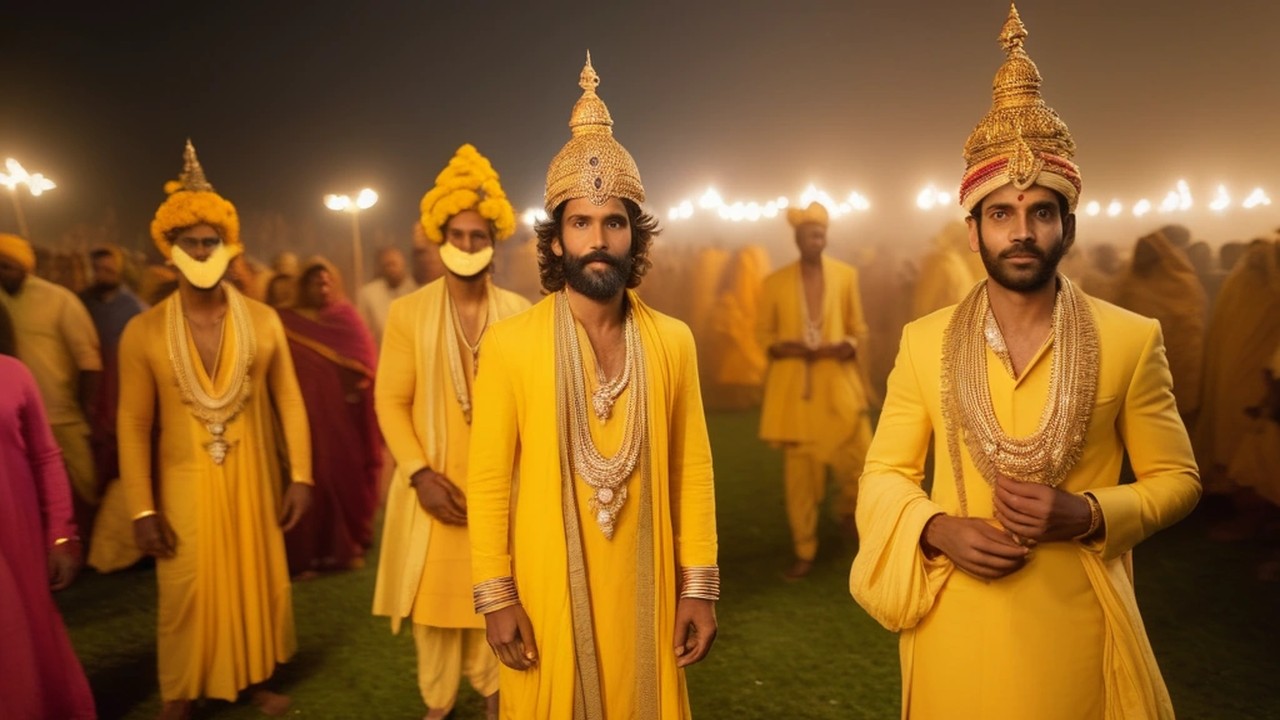
BHU Stages Satya Harishchandra, Reconnecting Nautanki With a New Generation
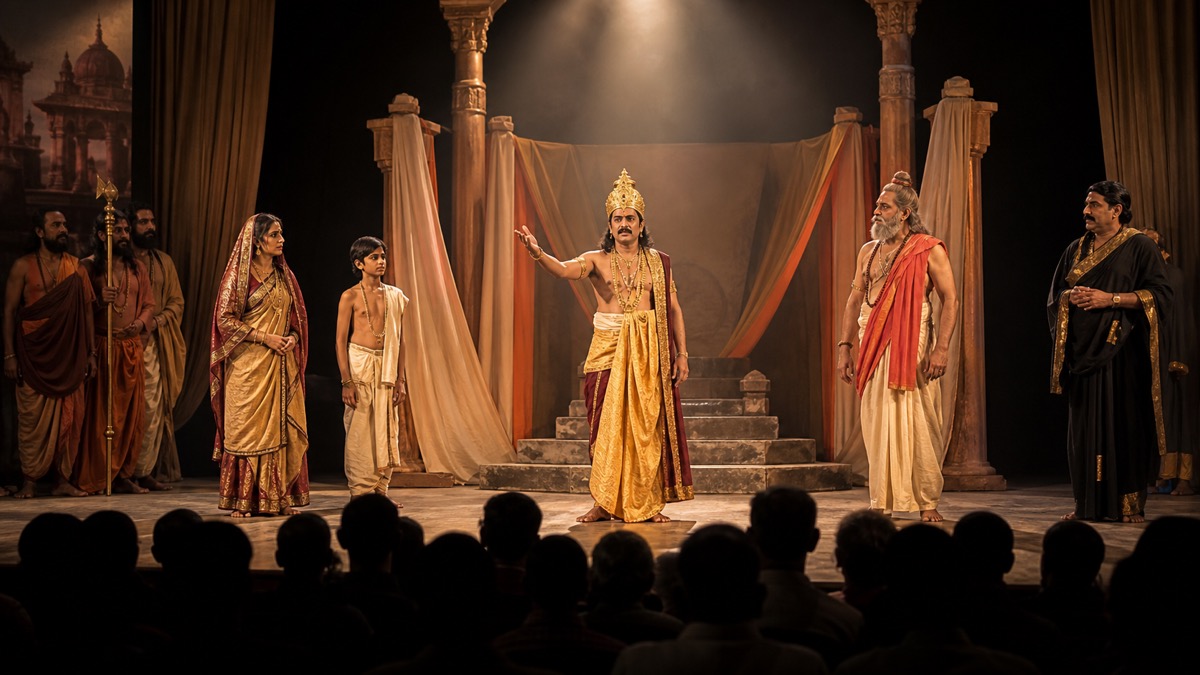
Banaras Hindu University turned to one of north India’s enduring moral stories on the eve of Independence Day, staging the musical play Satya Harishchandra in a production designed to bring Nautanki and Saangeet theatre before a contemporary audience. The performance took place at Pandit Omkarnath Thakur Auditorium and joined BHU artists with an international academic collaborator.
Rangshala, the university theatre cell, organised the production with BHU’s Faculty of Performing Arts and California State University, Fresno. It was directed by Professor Devendra Sharma, a communications professor at Fresno and a seventh-generation Saangeet performer who has presented more than 1,000 shows. Sharma has also established a Nautanki troupe in the United States and worked with theatre institutions in India and abroad.
The programme opened with Pushpanjali to Saraswati, Pandit Omkarnath Thakur and the bust of BHU founder Madan Mohan Malaviya, followed by the lighting of the ceremonial lamp. The staging combined music, poetry, dialogue, dance and movement while retaining the recognisable energy of traditional Saangeet performance.
Vice-Chancellor Professor Ajit Kumar Chaturvedi used the occasion to connect Harishchandra’s story with the values of Independence Day. He spoke about integrity, moral courage, sacrifice and the ability to remain steadfast under pressure—qualities that the legend pushes to painful extremes. In the context of nation-building, the production asked whether truth remains a public discipline rather than a slogan.
Professor Sanjay Kumar’s welcome address focused on the form itself. Saangeet, Swang and Nautanki once occupied a lively place in everyday cultural life, bringing sophisticated verse and social commentary to popular stages. Changing entertainment habits have pushed them away from many younger viewers. Rangshala’s effort, he said, is meant to introduce students to that heritage and encourage them to carry it forward in new ways.
Revival, however, does not mean freezing a tradition. A university production can preserve musical grammar and folk language while rethinking pace, lighting and audience access. Collaboration with artists who perform the form across cultures can also reveal which elements are essential and which can adapt. The risk is polishing Nautanki until its rough, direct relationship with the crowd disappears; the opportunity is to make its craft legible without turning it into a museum piece.
Satya Harishchandra provided an apt test. Its questions about power, debt, duty and truth still provoke debate, while its dramatic turns suit the heightened style of folk theatre. At BHU, the old story served two purposes at once: an Independence Day reflection and a live workshop in cultural continuity. The most meaningful outcome will be students choosing to study, perform and reinvent the form after the auditorium lights come up.
Sources and reporting
Based on BHU information reported by ANI about the August 14 production, its collaborators, director and stated cultural purpose.
Related Stories
Lohta Hit-and-Run: Hardoi Truck Driver Ankit Pal Arrested
Magic Van Hit-and-Run Kills Security Guard Near Mohansarai

DGP Flags 15-20 Overseas Gangsters, Opens New PS

Puja Specials via Varanasi: Amritsar, Ahmedabad and Kolkata Paths Listed
Deputy Mayor Quits F&CC Seat; Poll on Oct 1