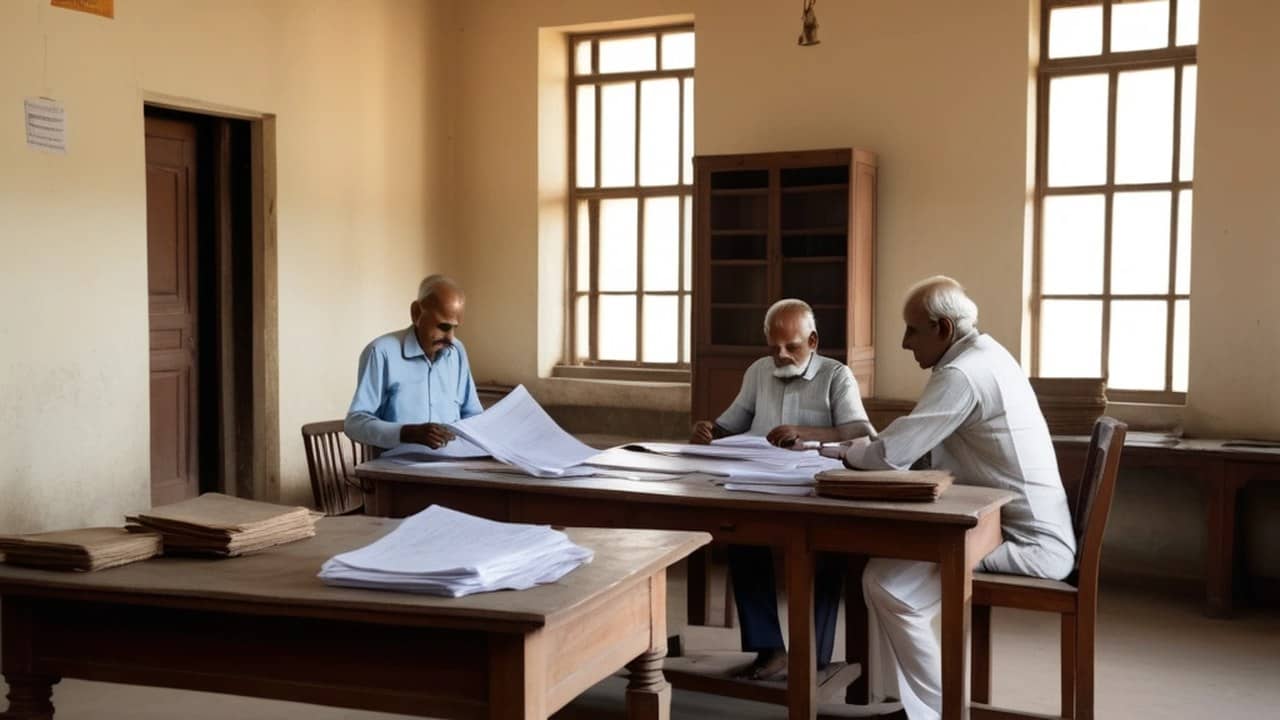
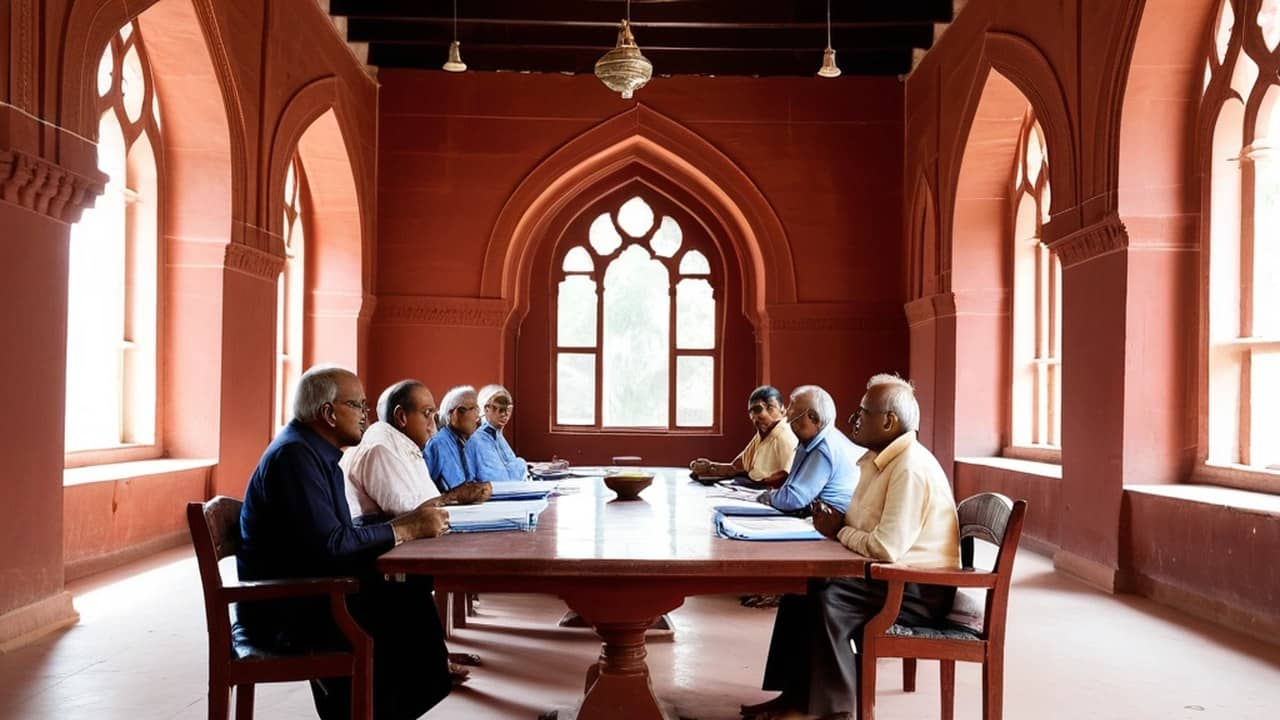
Banaras Hindu University has set up a Coordination Committee on Student Matters to deal with grievances and demands raised collectively by student groups, under a notification issued on Monday, 5 October, by the Office of the Registrar (Academic).
The committee will be chaired by Prof S.M. Singh, the university's Ombudsperson. Its other members are Prof Rakesh Pandey of the Department of Psychology, former Chief Proctor Prof S.P. Singh and former Dean of Students Prof A.K. Nema. It has a term of one year from the date of the notification, which can be extended if needed. Its first term therefore runs to about October 2027.
The line-up brings together people who have handled students from different sides of the administration. A chief proctor deals with campus discipline and security, while a dean of students looks after welfare matters such as hostels and student activities. A psychology professor and the ombudsperson complete the panel.
What sets the new body apart is who it listens to. Individual students with a complaint already have routes such as the ombudsperson's office. This committee is meant for issues that a group of students raises together, which until now have had no single forum of their own.
The areas named in the notification cover most of daily campus life. They include security, sports grounds, network connectivity, maintenance, cleanliness, lighting and gardens. Campus traffic and the movement of vehicles are on the list as well, along with academic regulations and examination matters. So are the hostel mess, drinking water, horticulture and discipline.
The process is laid out in stages. The committee will first hold an open conversation with the student group concerned, to understand its concerns and demands. It will then hear the offices, departments, faculties and institutes involved, so that the university's side of the matter is on record too.
Part of its job is simply to clear up confusion. According to the notification, the committee will try to correct factual errors, fill gaps in information and address cases where students are not aware of a procedure or of where a matter currently stands. Where needed, it can mediate between different university bodies, and it can recommend changes to the way units work, seen from the students' point of view.
The committee will draw on teachers, research supervisors, hostel wardens, the Proctorial Board, heads of departments and deans when it takes up a case. Members can act individually as well as jointly, and the notification expects every university body to cooperate. If it thinks a matter calls for it, the committee can place its recommendations before the Vice-Chancellor.
Vice-Chancellor Prof Ajit Kumar Chaturvedi said the committee would improve communication and coordination between students and the university's many offices. Its aim, he said, is to make sure students' concerns are heard properly and settled through dialogue, trust and cooperation.
The choice of chair ties the new body to an office students already know. Prof S.M. Singh, a former Dean of the Faculty of Science, was appointed BHU's ombudsperson for student grievances in July 2025. That post exists under the University Grants Commission's 2023 regulations on student grievance redressal, which require universities to have an ombudsperson to hear complaints that internal committees have not resolved.
The notification, as reported so far, does not say how a student group should approach the committee, whether through an email address, a written petition or an office where requests can be lodged. Students who want to bring a matter forward will need that detail from the university before the committee can start receiving cases in earnest.
The administrative side of the campus rarely draws the attention that its research and teaching do. In recent weeks Dalimss has reported on a BHU scientist's role in a new Ganga microplastic monitoring protocol and on IIT-BHU's Traction 2026 programme for early founders. For most of the university's students, though, a working hostel mess and lit roads at night shape the day far more directly.
That is the ground the committee has been given. Its first year will show whether student groups choose to take their demands to a table chaired by the ombudsperson, and whether the offices that answer to it act on what it recommends.