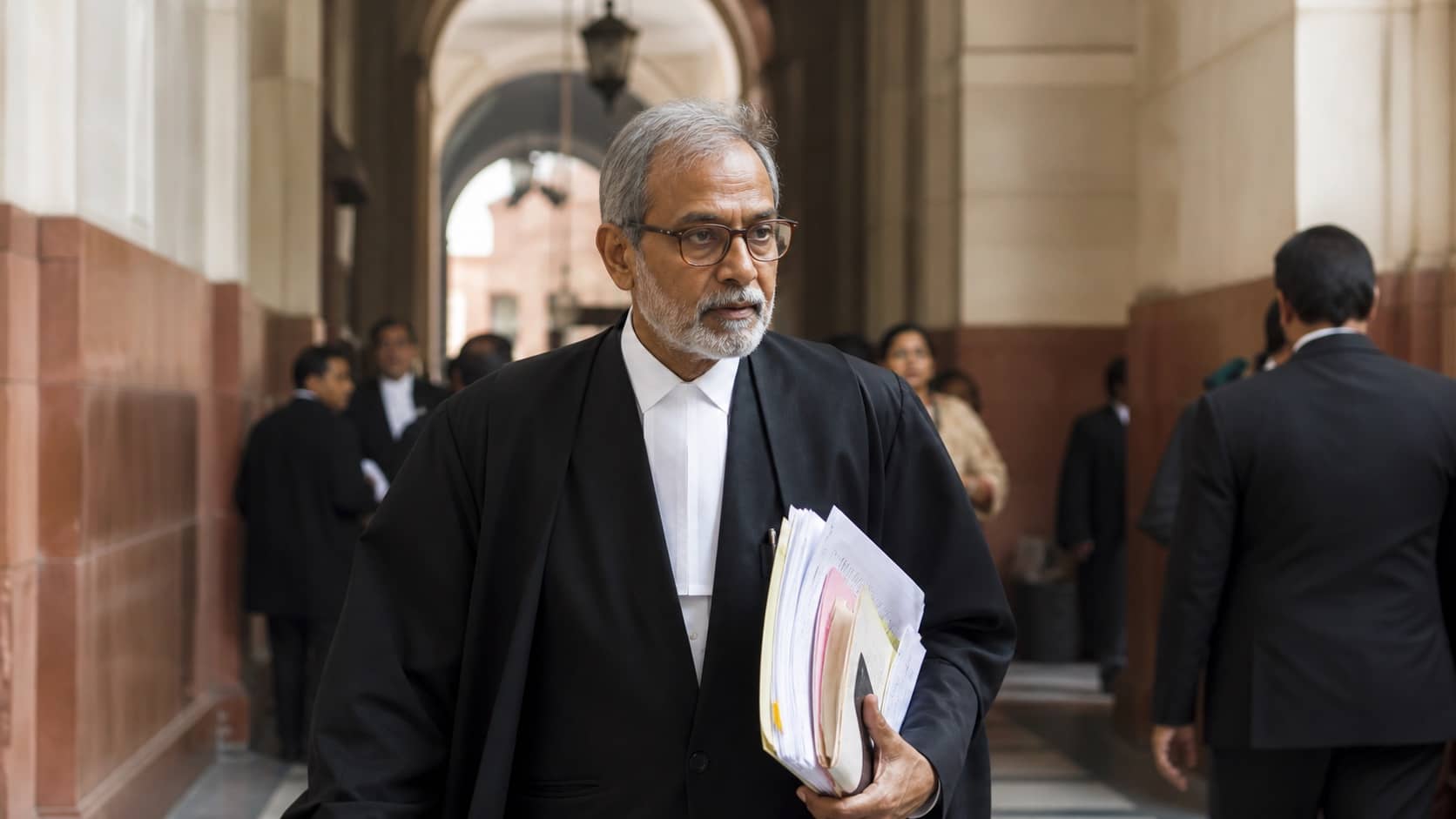
VARANASI: Senior advocate Pradeep Rai, an alumnus of Banaras Hindu University’s Faculty of Law, has been elected president of the Supreme Court Bar Association.
Rai completed his LLB from BHU in 1998 and went on to practise in the Supreme Court. The faculty’s current head, Professor Pradeep Kumar Singh, congratulated him after the result was announced. For the university, the election places another alumnus in a visible national legal role nearly three decades after he left its classrooms.
The Supreme Court Bar Association represents advocates practising before the country’s highest court. Its president is not a judge and does not decide cases. The role involves representing the concerns of members, engaging with the court administration, supporting professional standards and helping address practical issues that affect advocates and litigants.
Those responsibilities can include library and chamber facilities, digital filing, welfare measures, access for younger lawyers and the functioning of the court complex. The association also speaks in moments when the legal profession debates judicial independence, professional conduct or the administration of justice. Its credibility depends on doing so with restraint and a clear mandate from members.
Rai’s BHU connection will be a point of pride for students in Varanasi, but alumni success becomes most useful when it creates a bridge back to the classroom. Interaction with practising lawyers can help students understand that Supreme Court advocacy requires far more than confident speaking. It rests on detailed research, written submissions, procedural knowledge and years of appearing in matters that may never attract public attention.
The election also offers an opportunity to focus on entry barriers in the profession. Young advocates often struggle with irregular income, limited mentoring and the cost of living near major courts. An association led by an experienced senior advocate can influence whether training and welfare structures reach members at the start of their careers, not only established chambers.
For litigants, the bar’s internal election may appear remote. Yet the quality of bar institutions affects how efficiently cases are prepared, how advocates observe ethical duties and how problems at the court are communicated. A strong association should defend professional independence while taking complaints about misconduct seriously.
BHU’s Faculty of Law has produced judges, academics, administrators and litigators across the country. Rai’s election adds a contemporary chapter to that record. The position, however, is a working office rather than a lifetime honour. Members will measure the term through access, welfare, transparency and the association’s response to difficult professional questions.
Varanasi can reasonably celebrate an alumnus reaching the post. The larger story will unfold in Delhi, where Rai must turn an electoral mandate into practical representation for a diverse Supreme Court bar.