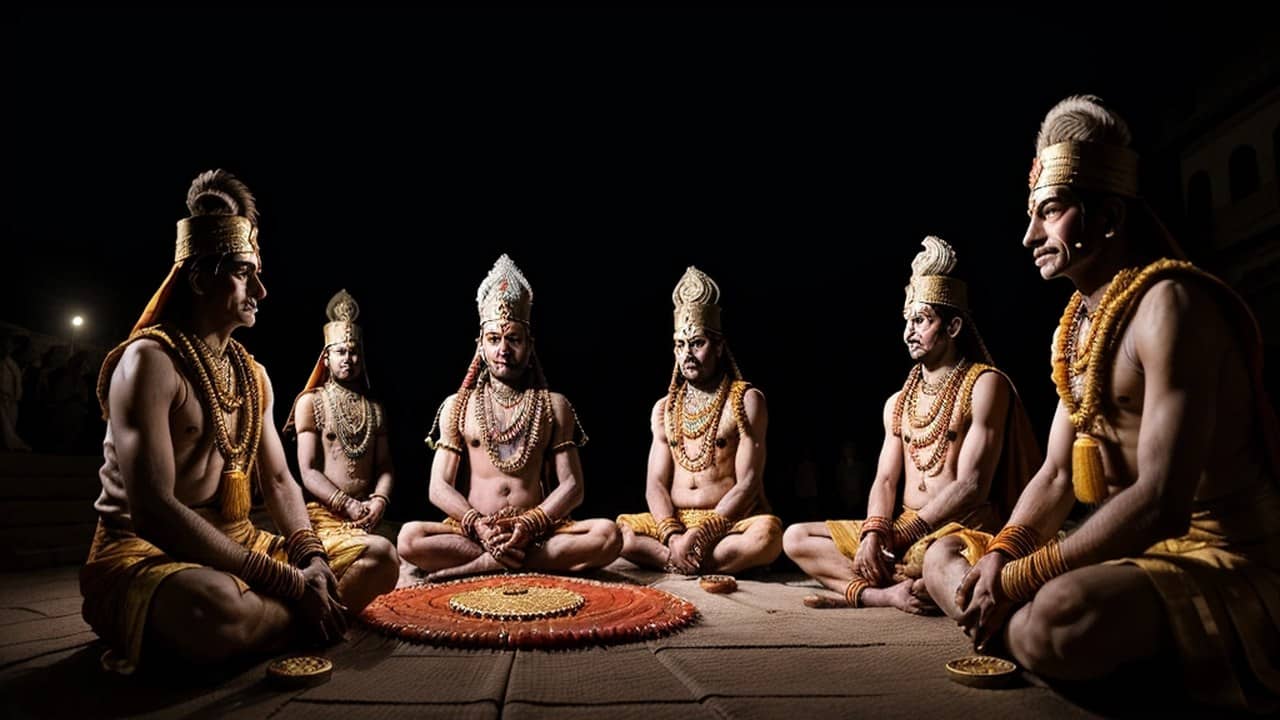
Bhojubeer's neighbourhood Ramlila on Friday staged the Vishwamitra arrival, Ahalya's deliverance and the Tadaka vadh, keeping a local autumn theatre tradition alive while larger cycles ran at Ramnagar and Shivpur the same night.
In the episode order followed here, Guru Vishwamitra reaches Ayodhya and takes Rama and Lakshman toward the forest hermitage path. The Ahalya uddhar scene restores the sage's cursed wife to life as the princes move through the landscape of the early kand. Tadaka vadh then gives the young warriors their first major combat beat, with Marich and Subahu material also in the Friday bill according to the local programme notes circulating among organisers.
Bhojubeer's scale is deliberately smaller than Ramnagar's town-wide moving stage or Shivpur's loud barat night. A fixed or semi-fixed maidan, familiar amateur and semi-professional performers, and a crowd that lives within walking distance define the evening. That intimacy is the point for families who want their children to see the Ramayana without crossing the river or fighting for space at a city-scale spectacle.
Friday's coincidence of three different Ramlila beats across Banaras is typical of October. Ramnagar opened the emotional Ayodhya kanda; Shivpur ran a wedding pageant; Bhojubeer stayed with the early forest education of the princes. Readers should treat them as parallel calendars, not as contradictory reports of a single show.
Organisers rely on local donations, municipal permissions for sound and crowd control, and the habit of regulars who know which night brings which episode. Visitors who stumble on Bhojubeer by chance will find fewer fireworks than Shivpur and less walking than Ramnagar, but the same core stories spoken in costume under autumn sky.
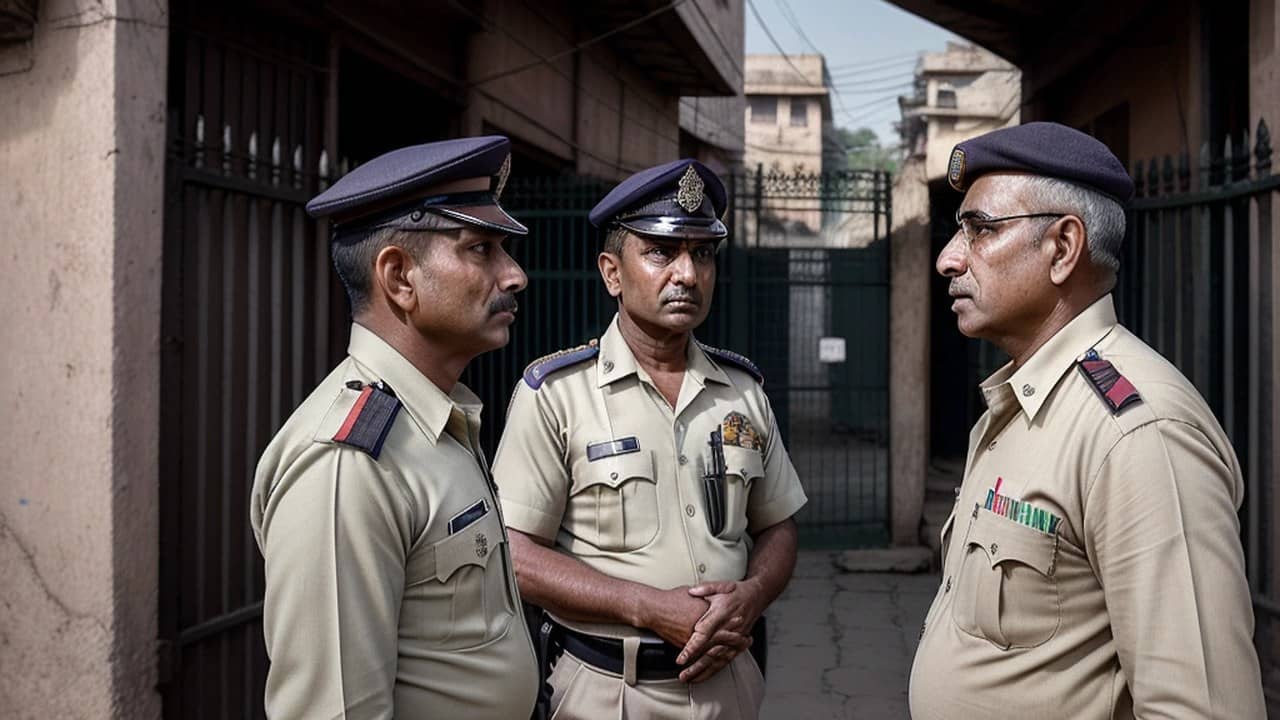
The verified public facts for this piece are Friday's Bhojubeer episode list, Vishwamitra arrival, Ahalya uddhar, Tadaka vadh and the Marich-Subahu thread, and the place of that night inside the neighbourhood's ongoing cycle rather than inside the Kashi Naresh's Ramnagar schedule. Early-kand episodes such as Tadaka vadh matter because they introduce Rama and Lakshman as protectors of the hermitage world before the later palace crisis. Neighbourhood committees often schedule them on weeknights when school children can still attend. Sound permissions, temporary lighting and a small police detail are the usual civic companions. Friday's Bhojubeer night did not try to compete with Shivpur's barat fireworks; it offered a quieter telling of the same epic's opening adventure. That variety is how Banaras keeps dozens of Ramlilas alive in a single October. Local hosts still invite neighbours with the same handwritten evening notices that have announced Bhojubeer's leelas for years. That continuity, more than spectacle, is what Friday's Vishwamitra and Tadaka night was built on.