Bharat Sevashram Sangha's ashram in Sigra will mark its centenary with a 10-day celebration from 11 to 20 October, built around its Durga Puja, with Chief Minister Yogi Adityanath and West Bengal Chief Minister Suvendu Adhikari expected to attend on different days, the ashram has said. Both visits fall in the middle of Navratri.
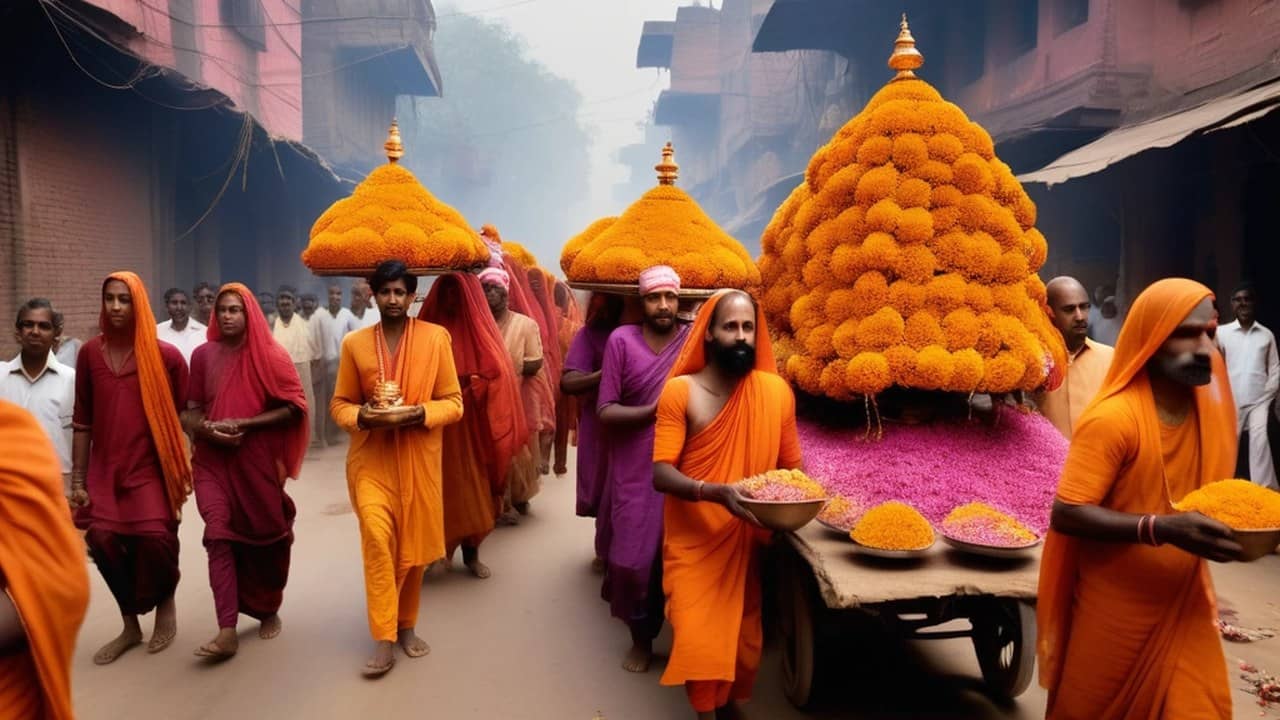
The programme was announced by Swami Brahmamayananda, an office-bearer of the ashram. According to him, the celebration opens on 11 October with a large shobhayatra, the procession that accompanies the installation of the idol of Goddess Durga, and runs until 20 October. The route the procession will take through the city has not been announced.
The second day carries the main ceremony. On 12 October, the Chief Minister is scheduled to inaugurate the Sri Sri Durga Puja Mahotsav along with a gathering the organisers have named the Virat Hindu Dharma Sanskriti Sammelan. The session will be presided over by the Sangha's president, Swami Punyatmananda.
Once the inauguration is over, the programme turns to performance. Swami Brahmamayananda said a dance drama titled Mahamaya Adishakti will be staged, followed by a performance of Bihu, the folk dance of Assam. Both are planned for the same day, after the formal session ends.
West Bengal Chief Minister Suvendu Adhikari will be present on 17 October, organisers said. The discussion planned for that day, according to the ashram, is on building the foundation for India as a "vishwaguru", or teacher to the world.
Across the 10 days, the conference sessions will take up a range of subjects related to society and the nation, and people who have done notable work in different fields will be felicitated, the ashram said. It has not yet released a full day-wise schedule with timings for the remaining days.
The Sangha was founded by Swami Pranavananda, a monk born in 1896 in Bajitpur, in present-day Bangladesh, and the organisation as a whole traces its beginnings to 1917. In its early decades it set up ashrams at major pilgrimage centres, Kashi among them, to give visiting pilgrims a place to stay and help with rituals. The Varanasi centenary, organisers said, marks 100 years since he established the institution here in 1926.
The Sigra ashram stands on Vidyapeeth Road near the municipal corporation's office. Beyond its festivals, the Sangha is widely known for relief work after disasters, and its Varanasi branch describes its own work as offering pilgrims low-cost rooms and food, along with free medical camps and help for poor families.
In Varanasi, the Sigra ashram is also known for its Durga Puja. Its puja is one of the Bengali-tradition pujas in a city where Bengali families, many of them settled for generations around areas such as Bengali Tola, have long celebrated the festival in their own style. This year the puja coincides with the ashram's hundredth year, and the organisers have folded it into a much longer programme.
The dates line up with the festival calendar. Sharadiya Navratri begins on 11 October, the day the shobhayatra sets out, and Vijayadashami falls on 20 October, the day the celebration ends. In between, the city will be busy with pandals: the corporation has been preparing for 512 Durga Puja pandals and 725 idols across Varanasi, though road repairs and immersion kunds were lagging behind at last count.
People planning to visit should expect crowds around Sigra on the opening day, when the procession moves out, and on 12 and 17 October, when the visits by the two Chief Ministers may bring security arrangements and traffic changes. No traffic plan has been announced yet. The corporation has already put its departments on alert for Navratri and Durga Puja civic arrangements.
The Sigra celebration also adds to a busy season of large religious gatherings in the city. Earlier this month, an Ananda Marga conference at Chaukaghat closed with a procession through the streets.
The ashram's last day falls on Vijayadashami, when Durga Puja traditionally ends with farewell rites for the goddess. For the Sangha, 20 October will close both a festival and a first century in Kashi.