
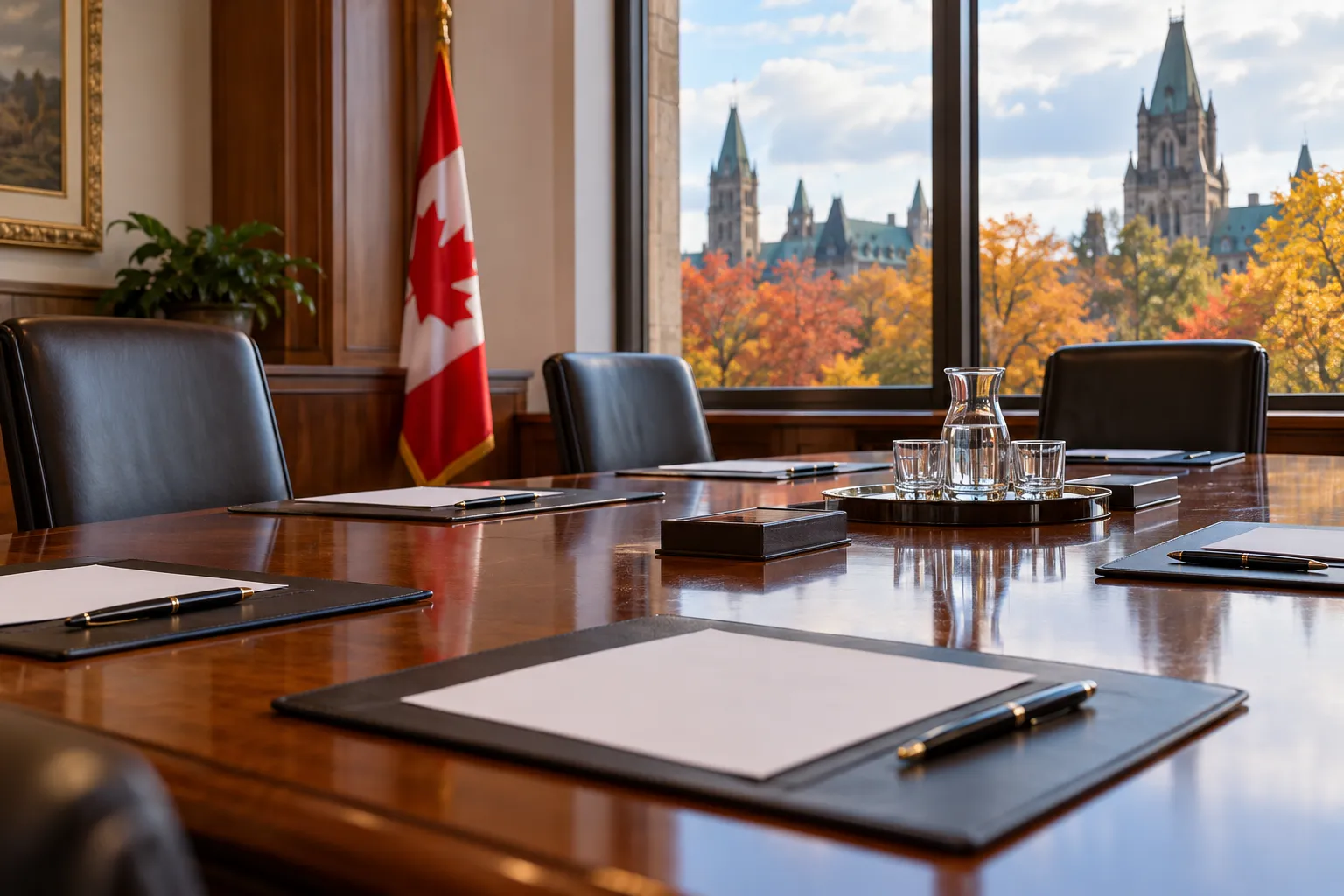
The Bank of Canada raised its overnight policy rate by a quarter of a percentage point to 2.5 per cent on 28 October, saying prolonged energy costs risked spreading more widely through the economy. The decision also set the Bank Rate at 2.75 per cent and the deposit rate at 2.45 per cent.
In its official announcement, the central bank said inflation was likely to remain higher for longer than it had projected in July. Its governing council left open the possibility of further rate increases, but said uncertainty called for a careful approach. It did not announce the size or timing of another move.
Energy costs change the inflation outlook
The bank expects consumer price inflation to average 3 per cent in 2027, one percentage point above its July forecast, before returning to 2 per cent around the middle of 2028. These are projections rather than recorded outcomes. The path depends particularly on developments in the Middle East and on how businesses respond to higher costs.
Canadian inflation has been around 3 per cent since April, according to the announcement, and is projected to reach about 3.5 per cent by the end of this year. The bank linked the persistence to high oil prices. It said the Middle East conflict had entered its eighth month without a clear route to resolution.
There is a distinction between the headline measure and prices excluding petrol. Inflation excluding gasoline was 2.2 per cent in September, while measures of core inflation remained close to 2 per cent. The bank nevertheless warned that fuel was raising production and transport costs, alongside increases in imported industrial and electronics input prices.
Businesses have so far absorbed much of the rise in their costs, the bank said. Its surveys suggest more of those costs could be passed to customers over the next year. Near-term inflation expectations among households and businesses have risen, although expectations over longer periods remain well anchored. That potential spread of price pressure was central to the rate decision.
Growth has improved, but tariffs remain a risk
The Canadian economy performed better through the middle of 2026 than the bank had expected in July. Its announcement put second-quarter GDP growth at 3.3 per cent and said recent indicators pointed to growth of about 2 per cent in the third quarter. Consumer spending remained solid despite slow population growth.
Business investment also recovered, reflecting activity in oil and gas and spending on machinery and equipment. Exports strengthened overall even as industries exposed to US tariffs continued to struggle. The bank cited American demand, increased energy production and signs of businesses adjusting to the changed trading environment as factors supporting exports.
That improvement does not remove the economy's weak spots. Unemployment has stayed around 6.5 per cent for several months, and the bank said a broad range of indicators still pointed to some excess supply. It expects housing to remain relatively weak and consumption growth to moderate.
New US tariffs are expected to slow growth in the final quarter of 2026 before a recovery in 2027. The bank forecasts Canadian economic growth of 1 per cent this year and 2 per cent in both 2027 and 2028. It described the overall outlook as somewhat stronger than July's, while stressing continuing uncertainty over Canada-US trade relations.
Outside Canada, the bank revised its global growth forecast slightly higher to 3.1 per cent for 2026, leaving 2027 and 2028 at 3.2 per cent. It also reported tighter global financial conditions since July, with higher advanced-economy government bond yields and volatility in equity and credit markets linked to uncertainty about the AI sector.
The international picture is uneven. The bank said US growth was being supported by consumer spending and AI-related investment, while euro-area growth was broad-based. China recovered in the third quarter after a second-quarter slowdown, helped by exports and fiscal spending. Elevated oil prices and refining margins have pushed inflation higher in most countries.
The next scheduled Canadian rate announcement is 9 December. The next Monetary Policy Report is due on 27 January 2027. For now, the confirmed change is October's quarter-point increase, not a predetermined series of future rises.
Related coverage: Australia's September inflation figures and Canada's planned EU summit.
Source: Bank of Canada, 28 October 2026. Its material has been paraphrased and reorganised by Dalimss News under the bank's reuse terms. No Bank of Canada endorsement is implied.