
Badagaon Fair-Price Dealers Suspend August Ration Distribution Over Demands
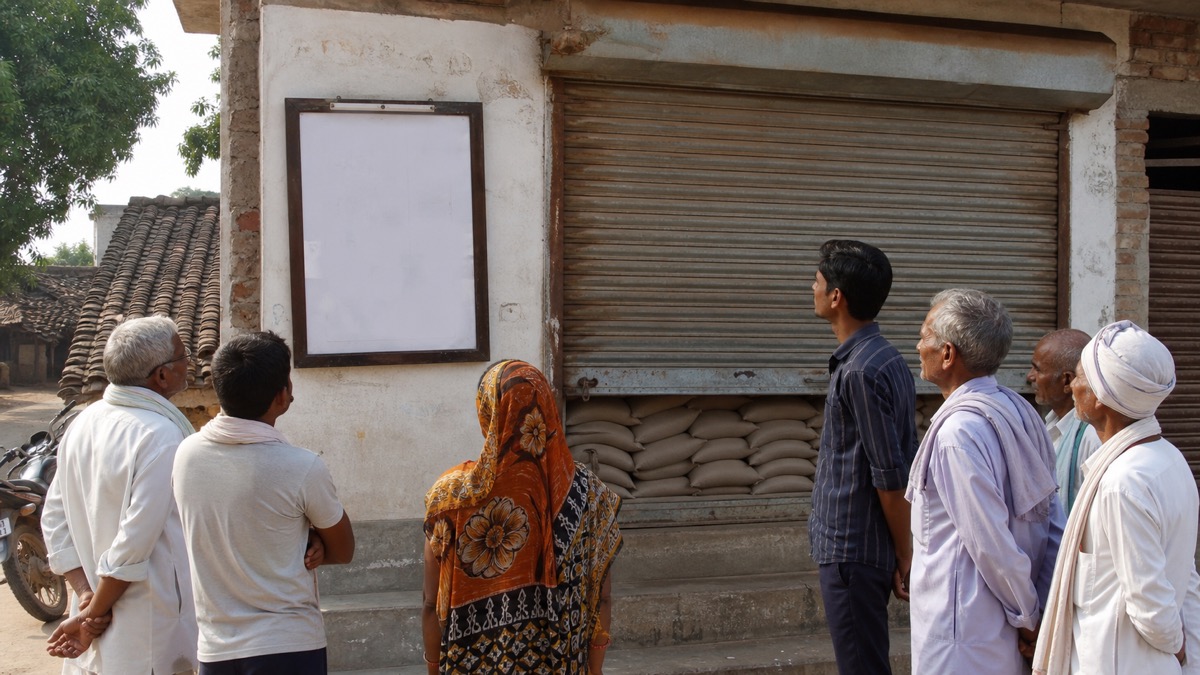
VARANASI: Fair-price shop dealers in Badagaon have announced that they will not distribute the August ration allocation, escalating an agitation over demands they say have remained unresolved.
The decision directly affects households that rely on the public distribution system for subsidised grain. A labour or commission dispute may be between dealers and the government, but its immediate burden falls on cardholders who have little control over either side.
Dealers should publish their charter of demands in clear terms, including any issue of commission, transport cost, electronic authentication or pending payment. District supply officials should answer each point and state whether talks have been scheduled.
Continuity for beneficiaries
The administration must prepare an alternative if shops remain closed. Ration can be mapped temporarily to a nearby outlet, distributed through supervised camps or released under another arrangement permitted by the rules. Cardholders should not lose their entitlement because the calendar month ends during a dispute.
Any alternative must account for elderly and disabled residents who cannot travel farther. A helpline and village-wise notice should identify the functioning shop, dates, stock and grievance officer. Announcements only at the tehsil office will miss many of the people most affected.
Dealers, for their part, should secure the grain already in their custody and maintain stock records. A suspension does not remove responsibility for public inventory. Joint verification before and after the agitation can protect them from later allegations of shortage.
Negotiation without coercion
The district should meet representatives promptly and record the points agreed, rejected or referred to the state government. Repeated verbal assurances encourage longer shutdowns because neither side can be held to a deadline.
Essential-service disputes require proportional tactics. Dealers have a right to organise and present demands, but an indefinite halt without a beneficiary safeguard can deepen food insecurity. Officials cannot simply threaten cancellation of licences without addressing legitimate payment or operating-cost concerns.
Residents should keep their ration cards and receipts and avoid paying an unofficial fee to obtain the month’s grain. Complaints should include the shop number and date of refusal so the supply office can trace the case.
The Badagaon action is a test of administrative response. A quick written negotiation and a temporary distribution plan can protect both dealer grievances and household entitlements. Leaving shutters down while each side waits for the other to move would turn an employment dispute into a public-welfare failure.
The supply office should publish a reconciliation after distribution resumes, showing how many Badagaon households received the delayed allocation. That final check matters because reopening a shop does not automatically reach people who made an earlier unsuccessful trip or temporarily left the village.
Sources and reporting
Based on a Dainik Bhaskar report published August 13, 2026. The suspension and demands are positions announced by local fair-price dealers; district supply authorities' detailed response was awaited.
Related Stories

Dextr AI raises $6.7 million seed led by Elevation Capital

Beats 360 headphones land in India at Rs 42,900

vivo V80 confirmed for India launch on October 6

OPPO K14 Plus set for India launch on September 29 via Flipkart

SEBI clears Rs 25 lakh PRIM route for mutual-fund portfolios