Twenty-Five Kashi Schools to Introduce Self-Defence Training for Girls
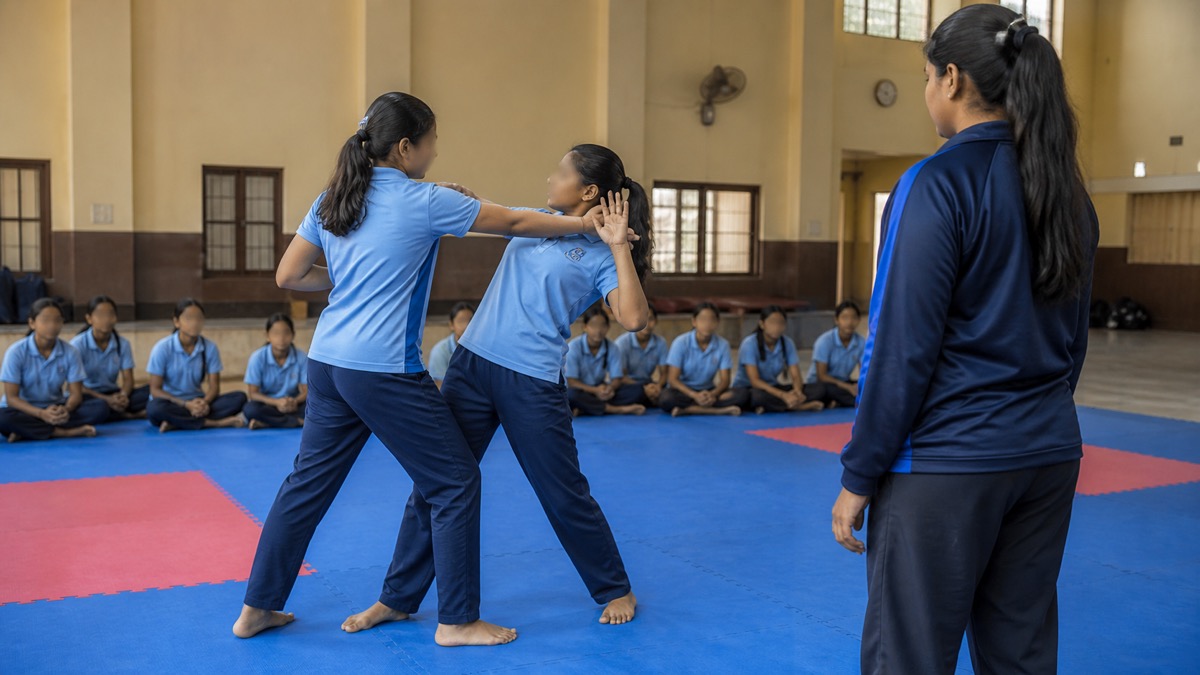
VARANASI: Twenty-five schools in Kashi are set to introduce self-defence training for girls, adding practical safety instruction to the school timetable rather than limiting awareness to occasional speeches.
A useful programme should teach more than a sequence of moves. Situational awareness, confident verbal boundaries, safe escape, emergency contacts and first response after harassment are equally important. Physical techniques work best when they are simple, repeated and taught by qualified instructors.
Schools should inform parents about the duration, trainer credentials and safety protocol before sessions begin. Participation must accommodate students with disabilities and medical conditions rather than treating one level of physical performance as the goal.
Training without victim-blaming
Self-defence can increase confidence, but it must never imply that a girl is responsible for preventing violence committed against her. The responsibility lies with the offender and with institutions that fail to provide safe transport, functioning complaints systems and timely action.
Sessions should therefore include information on whom to contact inside the school, how complaints are documented and how confidentiality is protected. Girls should not be asked to describe personal experiences in front of classmates.
The quality of instruction matters
Trainers need experience working with adolescents and must avoid risky throws or uncontrolled sparring. Mats, warm-ups and progressive practice can reduce injury. A teacher or safeguarding officer should remain present, and any physical contact must be explained and consensual.
One short workshop produces a photograph; a regular course produces skill. Schools should schedule refresher sessions and assess whether students remember how to disengage and seek help under pressure.
Safety beyond the gate
The education department should map dark approaches, unsafe bus stops and complaint hotspots around the 25 schools. Engineering and policing can remove risks that no classroom technique can solve.
Parents and boys should also be included in age-appropriate conversations about consent, respectful behaviour and bystander intervention. Making girls solely responsible for safety leaves the wider school culture unchanged.
The programme can become a valuable part of education if it is consistent, inclusive and connected to a trusted reporting system. Officials should publish the participating schools, trainer standards and feedback after the first term. The measure of success will not be dramatic demonstrations on stage, but whether students feel more confident, know where to seek help and see adults respond seriously when they do.
A short post-event report should record participation, costs and practical lessons. That routine transparency will help the institution improve the next edition and show whether the programme created value beyond its opening ceremony.
Sources and reporting
Based on a Times of India report published August 12, 2026 within the requested 24-hour window. Participating institutions and training schedules should be confirmed through the education department's implementation notice.
Related Stories

Kashi Marks Baba Lat Bhairav’s Wedding Day After Tilak and Haldi Rituals

Over 800 Doctors Converge as API UP Chapter Conference Opens in Rohania
Chitaipur Arrests Two After Homeguard Anuradha Tiwari’s Alleged Suicide
Lanka Registers Assault Case After Narottampur Youth Dies During Treatment
Storm Uproots Electric Pole in Cholapur’s Jagdishpur; Local Supply Cut