Varanasi’s centuries-old sewer infrastructure, dating back to the British and Mughal periods, is finally set to undergo a major transformation.
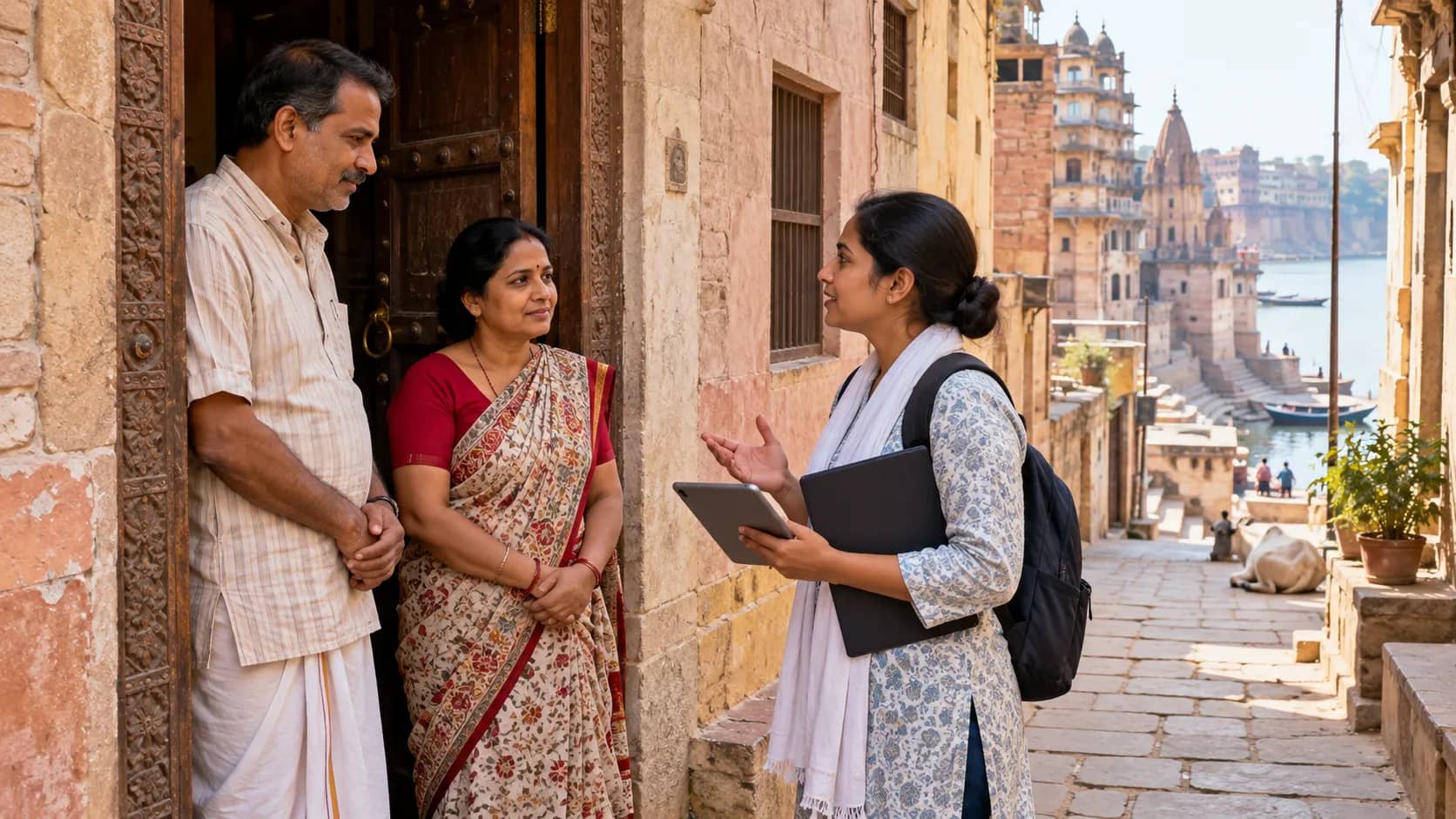
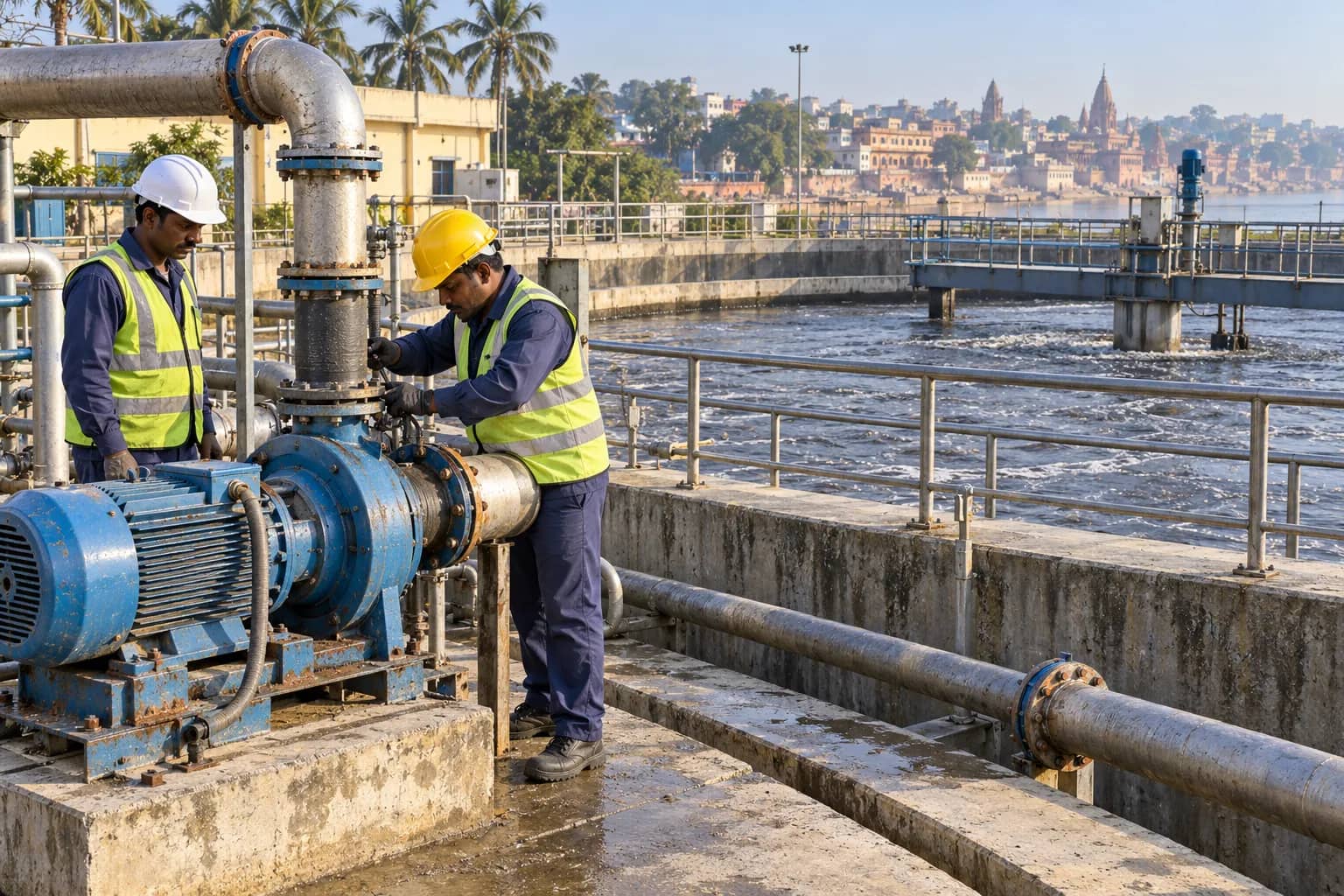
The Uttar Pradesh government has approved a large-scale sewer revamp project aimed at addressing long-standing drainage and sanitation issues in the city’s oldest and most densely populated areas. The project is expected to bring significant relief to more than 10 lakh residents who have been living with chronic sewer overflows and poor drainage conditions.
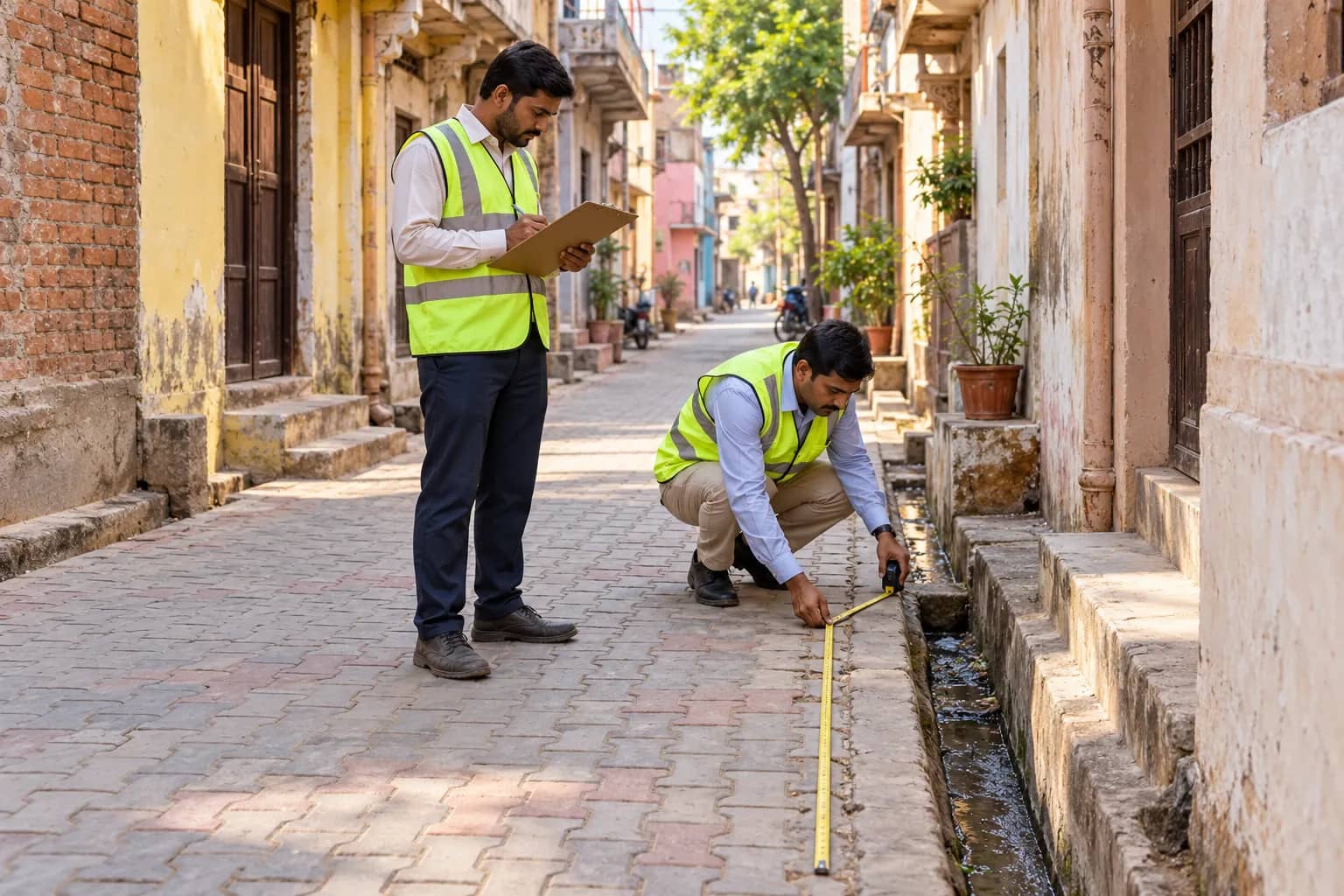
Under the first phase, 18 old wards of Varanasi have been identified for the installation of a modern sewer network.
Of these, 13 wards have already received administrative approval at the state level, with work having commenced in two wards.
The project involves laying nearly 200 kilometres of new sewer pipelines at an estimated cost of ₹527 crore.
Areas such as Pakka Mahal, Bengali Tola, Shivala, Nagwa, Jangambari, Kazipura, and other historic neighbourhoods along the Ganga ghats will be covered, benefiting nearly 100 localities across the old city.
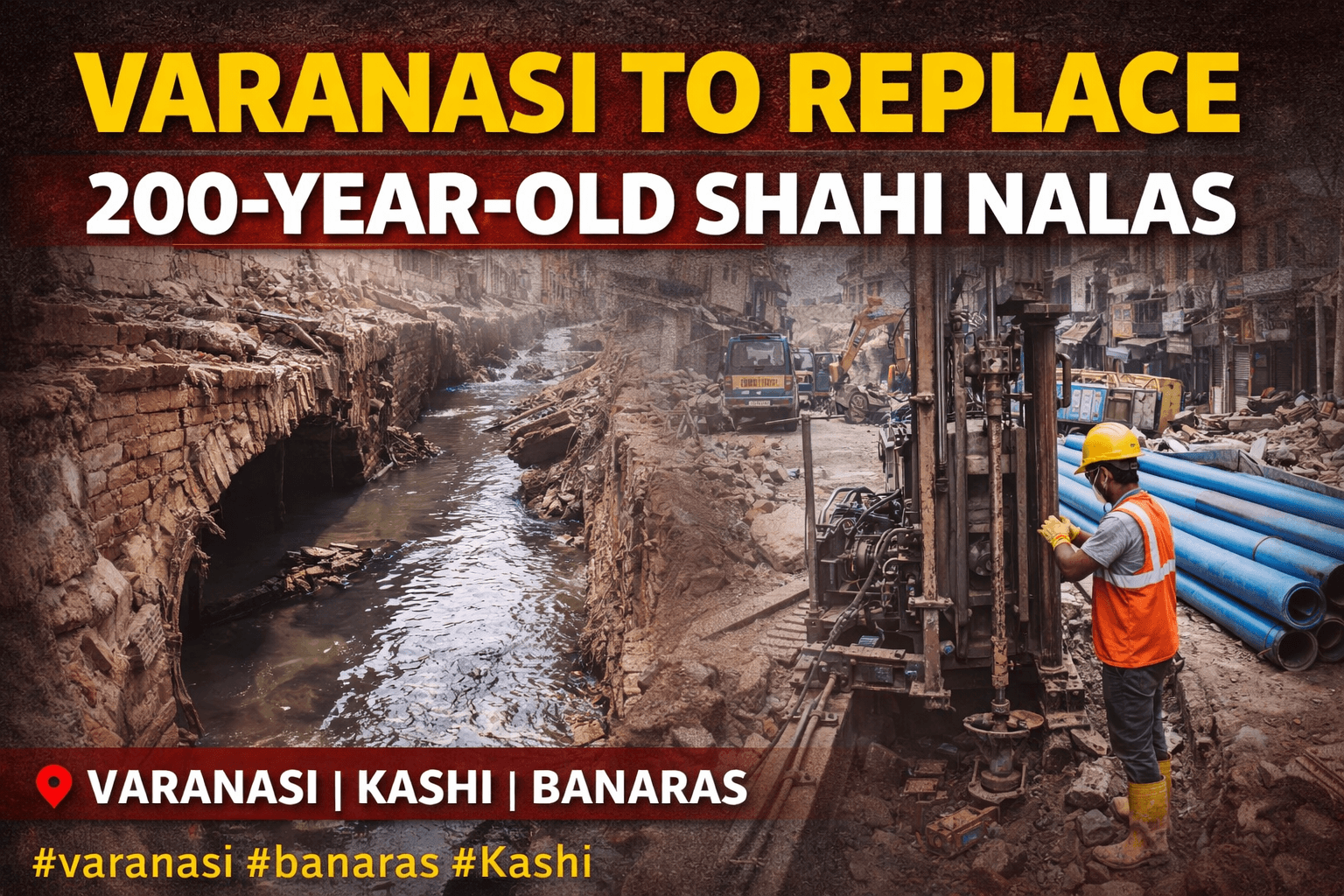
Officials say the new pipelines will be laid using trenchless technology to minimise disruption in Varanasi’s narrow lanes and densely built neighbourhoods.
Currently, the city relies heavily on nearly 200-year-old brick-lined royal drains, known locally as “Shahi Nalas,” which have collapsed or become dysfunctional over time.
Frequent sewer overflows during both monsoon and non-monsoon periods have turned daily life into a challenge for residents.
Once completed, the project is expected to significantly improve drainage, sanitation, and overall living conditions, marking a decisive shift from colonial-era infrastructure to a modern urban sewer system in one of India’s oldest living cities.