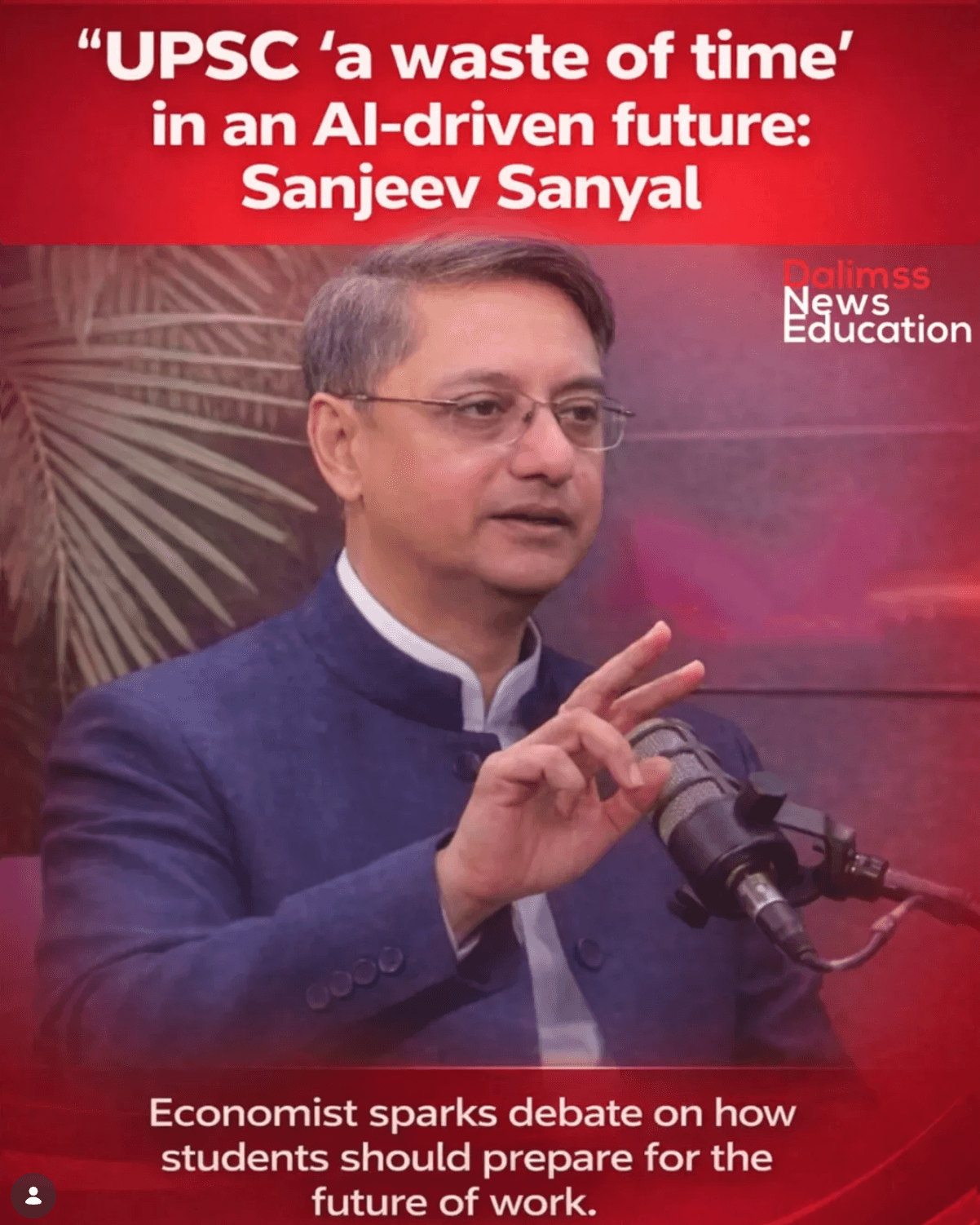
VARANASI – In a statement that has sparked intense debate across classrooms and coaching centers alike, Sanjeev Sanyal, a renowned economist and member of the Prime Minister’s Economic Advisory Council (PM-EAC), has termed the obsessive pursuit of the Union Public Service Commission (UPSC) exam as a "complete waste of time" for today's youth.
As students and parents navigate an educational landscape increasingly influenced by technology, Sanyal’s comments serve as a provocative wake-up call regarding the future of work.
The AI Disruption Speaking at a recent public appearance, Sanyal argued that the traditional model of degree-based education and exam-centric preparation is rapidly becoming obsolete. His primary contention is that Artificial Intelligence (AI) will soon outperform humans not just in retaining information, but in delivering cutting-edge knowledge and handling administrative tasks—the very core of civil services.
"The obsession with UPSC for job security is misguided," Sanyal stated. He emphasized that as automation and data-driven governance reshape administration, the relevance of rote learning and multi-year exam preparation is diminishing.
Skills Over Degrees Sanyal’s advice to the younger generation is clear: shift the focus from chasing "safe" government jobs to acquiring dynamic skills. He advocates for:
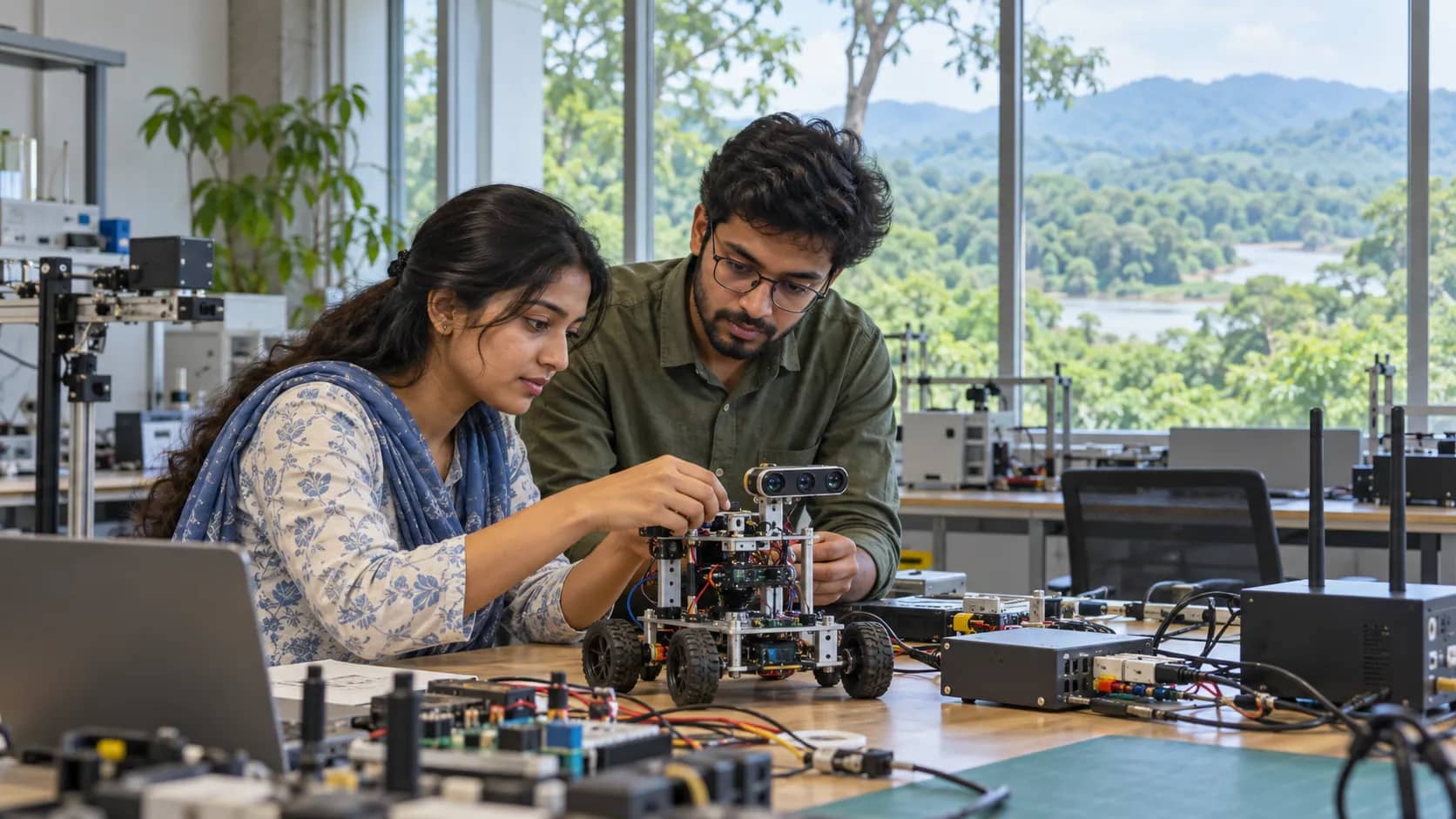
Apprenticeships: Gaining real-world experience early.
AI-Ready Learning: Understanding how to leverage technology rather than compete with it.
Skill Development: Focusing on critical thinking and adaptability over memorization.
This perspective aligns with the government's broader push for technological self-reliance, exemplified by the IndiaAI Mission, which has allocated over ₹10,300 crore to build robust AI infrastructure.
A Divided Opinion The remarks have triggered a nationwide conversation.
The Supporters: Many educators and tech experts view this as a necessary reality check, urging a curriculum overhaul that prioritizes innovation.
The Critics: Aspirants and social commentators argue that for many, especially from underprivileged backgrounds, the UPSC remains a crucial pathway to social mobility and stability that the private sector cannot yet match.
On social media platforms like X (formerly Twitter), the debate has been vigorous. While some mock interview experts acknowledged the need for modernization, they underscored the tension between India's traditional career aspirations and the rapid pace of technological advancement.
What This Means for Students For the students of Dalimss and beyond, this debate highlights a critical pivot point. The future economy may reward those who can create and innovate using AI, rather than those who simply memorize facts. As the debate continues, there are growing calls for the UPSC itself to evolve, potentially incorporating AI proficiency and critical problem-solving into its selection framework.